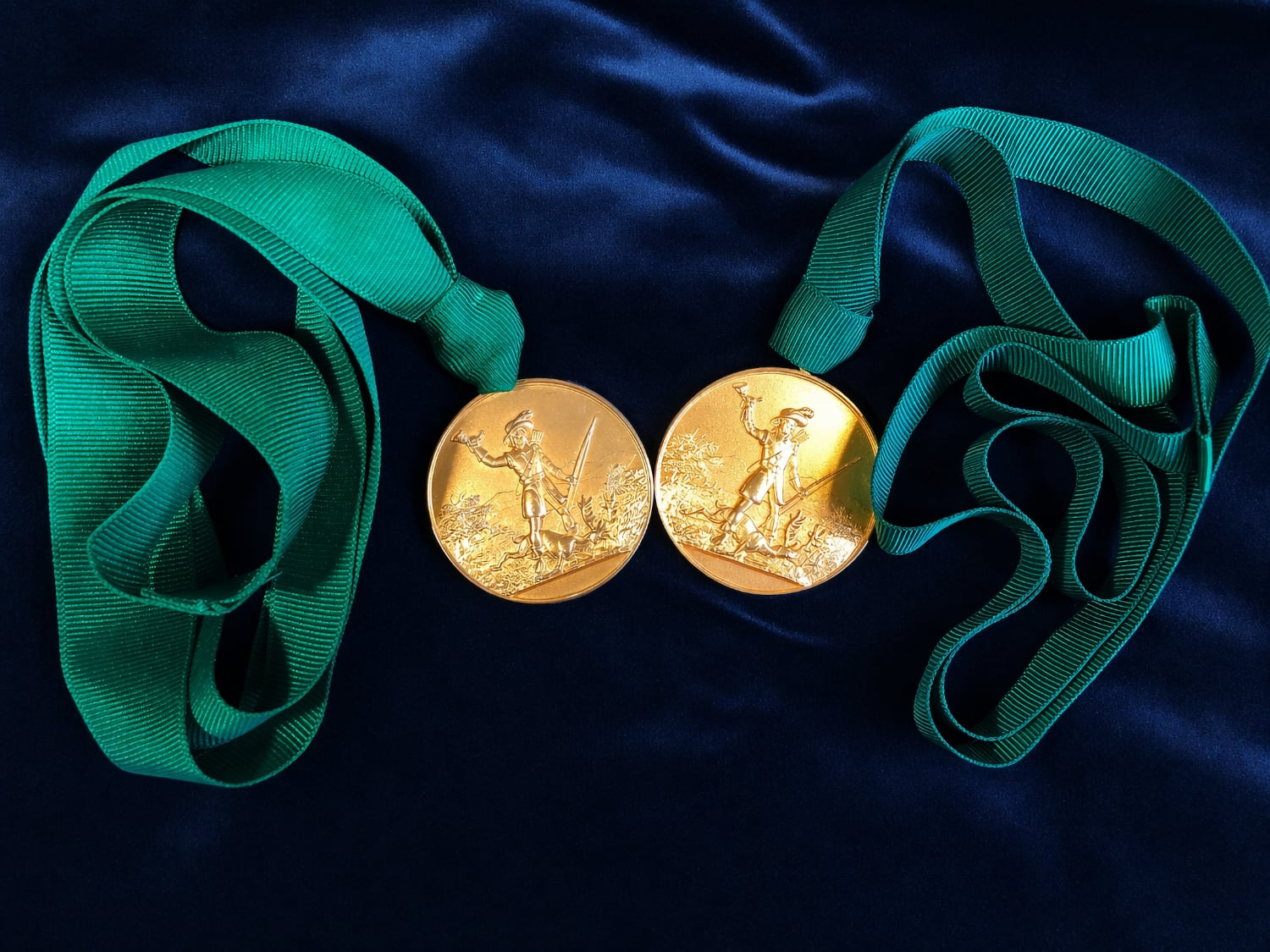
As you may know, I used to be a British archery champion. Although I don’t shoot competitively anymore, many of the lessons I learned through archery have stayed with me for the rest of my life. Not just lessons about sport, either, but lessons about mindset, patience, mistakes, self-trust, growth, resilience, and what it really takes to become better at something you care about.
I wanted to share a few of those lessons with you because I think they apply just as much to life, business, coaching, content, visibility, and personal growth as they do to standing on a shooting line with a bow in your hand.
One of the biggest lessons archery taught me was this: one bad shot doesn’t define you.
When you’re shooting a round, you can’t afford to let one poor shot take over your mind. If you do, that one shot starts affecting the next one, then the next one, then the next one. Before you know it, one mistake has become the story of the whole day.
And isn’t that exactly what we do in life and business? One post doesn’t land, so we tell ourselves we’re not good at content. One sales conversation feels awkward, so we decide we’re terrible at selling. One idea doesn’t work, so we start questioning whether we’re really cut out for this at all.
But one bad shot doesn’t define an archer, and one bad moment doesn’t define you. A mistake is not a final verdict. It’s feedback. It’s information. It’s something you can learn from, adjust from, and move forward from.
That sounds simple, but it’s such a powerful mindset shift. When you stop seeing every mistake as proof that something is wrong with you, you become much freer to grow. You stop making every wobble mean something terrible. You stop turning every imperfect moment into evidence against yourself. And you begin to see mistakes for what they really are: part of the process.
Another thing archery taught me was that work doesn’t always feel like work when you’re doing something that matters to you. I enjoyed archery for years before I decided I wanted to take it further. Once I made that decision, it took me around a year and a half to go from being an average archer to becoming British champion.
And let me tell you, that took a hell of a lot of work. Practice. Repetition. Focus. Discipline. Refining small details again and again. From the outside, it probably looked like hard work, and technically, it was. But to me, it didn’t feel that way.
Not because it was easy, but because I loved it. I cared about it. I wanted to improve. I wanted to see what was possible. That’s something I think we often forget. When you’re moving towards something that genuinely matters to you, the effort feels different. It still takes energy. It still asks something of you, but it doesn’t feel like you’re dragging yourself through wet concrete every day.
There’s a difference between effort that drains you and effort that grows you. That doesn’t mean everything should always feel easy. It doesn’t mean you’ll never have tired days, frustrating days, or moments where you wonder what on earth you’re doing. But when something is aligned with you, there’s usually something underneath the effort that keeps pulling you forward. Not pressure. Not panic. Not proving. Something quieter than that: a genuine desire to grow.
Archery also taught me patience, and honestly, I think patience is something many of us are losing. We live in a world where we want everything now. We want the answer now, the success now, the clarity now, the confidence now, the results now. But real growth rarely works like that. Real growth often happens at the speed your mind can actually cope with.
If you try to force change too quickly, you can end up overwhelming yourself. Your mind gets noisy. You start overthinking. You question everything. You try to make ten moves at once, and suddenly none of them feel clear. Patience gives your mind time to catch up with the change you’re creating. It gives you space to become the person who can hold the next level, rather than just chasing the next level and hoping you’ll feel ready when you get there.
That’s such an important distinction, because sometimes we think patience means we’re being passive. But patience isn’t the same as doing nothing. Patience is allowing growth to happen at a pace that doesn’t scramble your thinking, disconnect you from yourself, or make everything feel heavier than it needs to. It’s steady. It’s grounded. It’s sustainable.
And that leads into another lesson archery taught me: sometimes slowing down helps you move faster.
I know that sounds strange, but it’s true. In archery, rushing rarely helps. If anything, rushing usually makes things worse. Your form gets messy, your breathing changes, your focus narrows, and you start forcing the shot instead of allowing it.
The same thing happens in life and business. When your mind is overloaded, everything feels harder. You can’t think clearly. You can’t make clean decisions. You can’t hear your own wisdom because there’s too much noise in the way.
It’s like having too many browser tabs open. The more tabs you have open, the slower everything becomes. But when you start closing a few, the system begins to work properly again. Your mind is the same. Slowing down doesn’t mean doing nothing. It means creating enough space to see clearly, think clearly, choose clearly, and move from a calmer place.
When you do that, your actions become cleaner. Your decisions become easier. Your progress often becomes faster because you’re no longer wasting so much energy fighting through the noise. This is why clarity matters so much. When you’re unclear, you can spend so much time pushing, forcing, second-guessing, comparing, tweaking, doubting, and spiralling. But when you’re clear, even small actions carry more power.
You don’t need to be frantic. You don’t need to be everywhere. You don’t need to sprint in ten different directions. You need to know where you’re aiming.
Finally, archery taught me to listen to what I feel. Feelings can be useful. They can act like a compass. Not because every feeling is an instruction you must follow, but because your feelings often show you what’s going on beneath the surface.
If something feels heavy, forced, or icky, it might be worth paying attention to. Maybe you’re moving in a direction that doesn’t align with you. Maybe you’re trying to become someone you’re not. Maybe you’re doing what you think you “should” do, rather than what feels true. And when something feels clearer, lighter, or more aligned, that matters too.
Your feelings can act like a sat nav in life and business. They won’t always give you the full route, but they can often show you when you’re drifting away from yourself.
So yes, archery taught me how to aim, shoot, focus, and compete. But more than that, it taught me how to grow. It taught me that one bad shot doesn’t define you. It taught me that meaningful effort feels different. It taught me that patience matters. It taught me that slowing down can help you move faster. And it taught me that your feelings can often point you back towards what’s true.
Those lessons didn’t just make me a better archer. I genuinely believe they made me a better person. And they still shape the way I coach, create, and live today.
